Cart
0
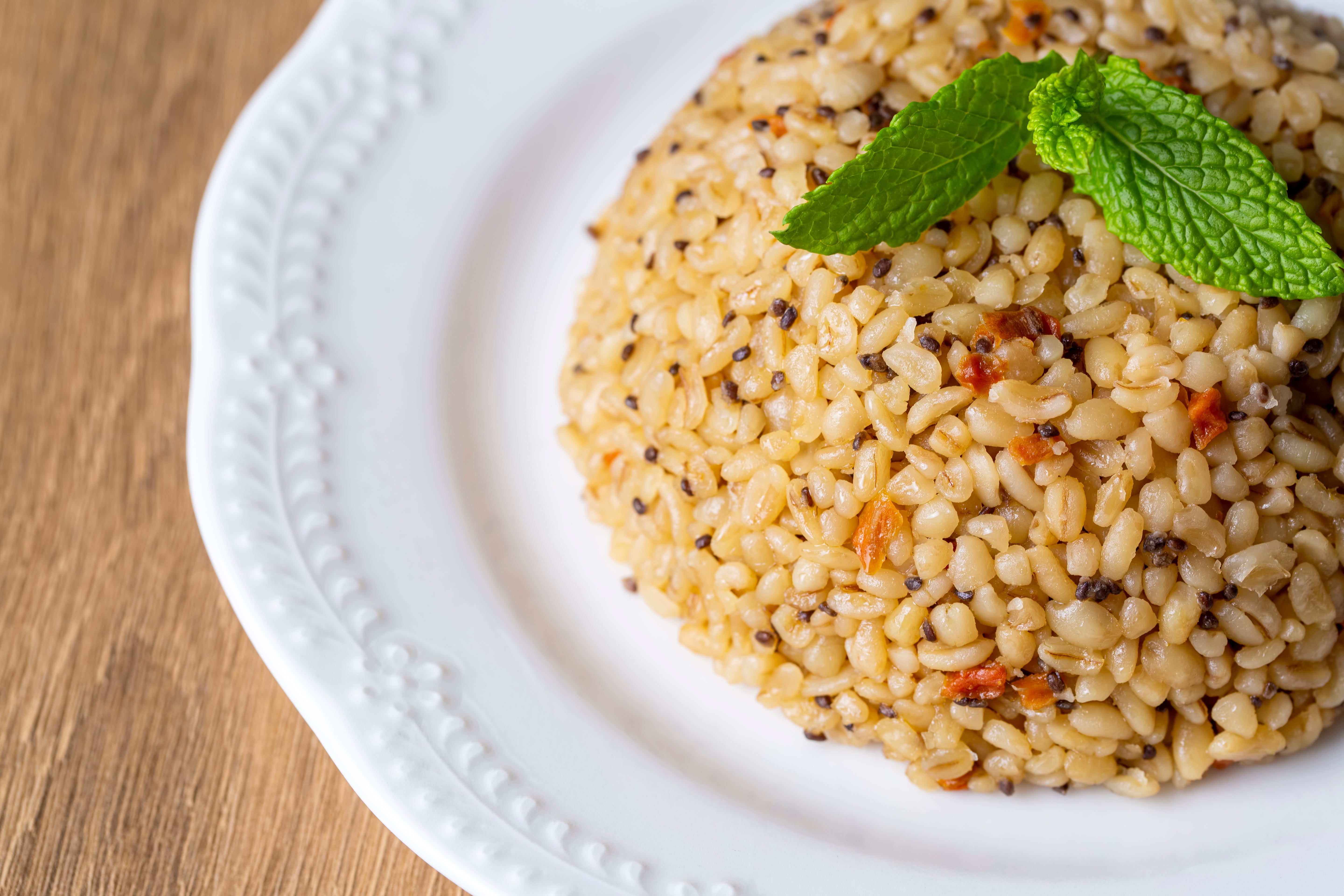
There's a reason every Indian grandmother pushed a bowl of daliya at you when you were sick, tired, or recovering. She didn't have a nutrition degree. She had something better decades of watching food work on real people.
And here's what she knew without knowing the science: daliya heals. It nourishes. It fills you up without weighing you down.
For weight loss specifically, daliya isn't just good, it's one of the most effective, sustainable, affordable, and genuinely satisfying foods you can add to your daily routine. Here's everything you need to know about using it strategically.
Why Daliya Works for Weight Loss
Before we get to the "when" and "how much," let's understand the "why" because when you understand why something works, you'll actually stick to it.
It Keeps You Full — Really Full
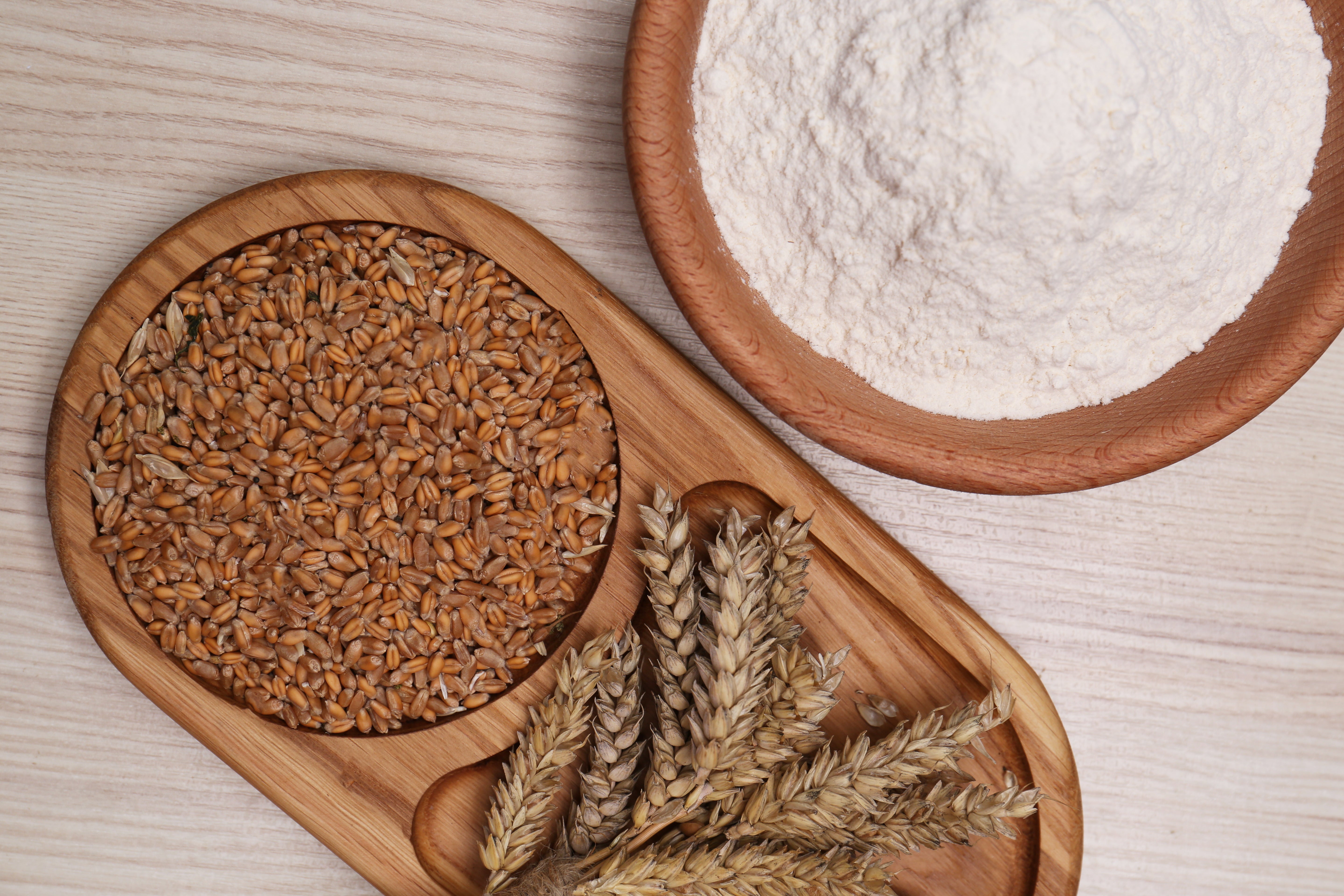
Daliya is a whole grain made from coarsely cracked wheat. The bran is intact, which means it's packed with dietary fibre. Per 100g, daliya contains roughly 8–10g of fibre.
Fibre slows down digestion. When food moves through your digestive system slowly, your body sends "I'm full" signals to your brain for longer. You eat one bowl of daliya at 8 AM and you're genuinely not hungry until noon. That's not willpower. That's fibre doing its job.
It Doesn't Spike Your Blood Sugar
Daliya has a glycemic index of approximately 41–55, depending on how it's prepared. This puts it in the low-to-moderate GI range.
Low-GI foods are particularly important for weight loss because high-GI foods white rice, refined flour, and sugary snacks cause a rapid rise and fall in blood sugar. The crash triggers hunger, cravings, and the urge to eat again quickly. It's a cycle that makes losing weight extremely difficult.
With daliya, blood sugar rises slowly and stays stable. No crash. No sudden hunger. No 11 AM biscuit craving.
It's Calorie-Smart
One serving of cooked daliya (roughly one bowl, made from about 40g dry daliya) has approximately 150 calories. That's a filling, nutrient-dense meal for a very reasonable calorie investment.
Compare that to most packaged breakfast options, which pack 300–500 calories with far less nutrition and satiety.
It Has Protein
Daliya isn't just carbohydrates. It contains protein around 9–12g per 100g dry weight. Protein is critical for weight loss because it protects muscle mass while your body burns fat. It also contributes to satiety and boosts your metabolism slightly (the body burns more energy digesting protein than it does digesting fats or carbs).
When is the Best Time to Eat Daliya for Weight Loss?
Morning: The Optimal Choice
Breakfast is the strongest case for daliya. Nutritionists consistently recommend eating daliya in the morning because:
-
It provides sustained energy throughout the first half of the day
-
The fibre keeps hunger controlled for 3–4 hours, preventing mid-morning snacking
-
Starting with a low-GI, high-fibre meal sets a stable blood sugar baseline for the rest of the day
A bowl of savoury vegetable daliya at 7:30–8:30 AM is arguably one of the best possible weight loss breakfasts you can have.
Evening: A Smart Dinner Option
Daliya as a light dinner also works very well. It's warm, easy to digest, and light enough that your body isn't struggling to process a heavy meal through the night.
A vegetable daliya or daliya khichdi at dinner portion-controlled and without excess oil gives you a satisfying meal without excess calories.
Avoid: Making It Sweet With Sugar
Sweet daliya made with sugar, condensed milk, or flavoured syrup rapidly increases its calorie and glycemic load. If you want sweet daliya, use a small amount of jaggery and keep the portion modest.
How Much Daliya Should You Eat for Weight Loss?
A practical guideline for most adults:
-
Dry daliya per serving: 40–50g (roughly 3–4 tablespoons)
-
Cooked weight: This roughly doubles after cooking
-
Calorie range per serving: 150–180 kcal (plain, without added oil or sugar)
Most nutrition experts suggest not eating daliya for all three meals across the day helps you get a broader range of nutrients. One to two servings per day, as part of a balanced diet, is a practical approach for weight loss.
What to Pair With Daliya to Maximise Results
Daliya alone is good. Daliya with the right additions is significantly better for weight loss:
Add vegetables: Carrots, peas, spinach, beans, tomatoes vegetables increase the fibre content, add micronutrients, and make the meal more filling with minimal added calories.
Add a protein source: Moong dal, sprouted mung, low-fat paneer, or a boiled egg alongside your daliya will increase satiety, protect muscle during weight loss, and improve the overall nutritional balance of the meal.
Use spices generously: Cumin, turmeric, ginger, and coriander aren't just flavour they have genuine anti-inflammatory properties and make the meal satisfying without needing oil or salt in excess.
Keep oil/ghee minimal: A teaspoon of ghee for tempering is reasonable and actually helps with fat-soluble vitamin absorption. But excess ghee significantly increases calories.
3 Simple Daliya Recipes for Weight Loss
Recipe 1: Savoury Vegetable Daliya Upma
Ingredients (1 serving):
-
40g daliya (coarse broken wheat)
-
Mixed vegetables: 1 small carrot, 1/4 cup peas, 1/2 tomato, small piece of onion
-
1 tsp ghee or oil
-
Cumin seeds, turmeric, salt to taste
-
Fresh coriander
Method: Dry roast daliya in a pan for 2–3 minutes until lightly aromatic. Set aside. In the same pan, heat ghee, add cumin, then onion and vegetables. Sauté for 2–3 minutes. Add roasted daliya, turmeric, and salt. Pour in 200ml water and bring to a boil. Reduce heat, cover, and cook for 10–12 minutes until water is absorbed. Garnish with coriander.
Why it works: High fibre from vegetables + complex carbs from daliya = satiety that lasts for hours.
Recipe 2: Daliya Khichdi With Moong Dal
Ingredients (1 serving):
-
30g daliya
-
20g split moong dal (yellow)
-
1/4 cup mixed vegetables
-
1 tsp ghee
-
Turmeric, cumin, salt, ginger
Method: Soak daliya and moong dal together for 15–20 minutes. Heat ghee in a pressure cooker, add cumin and grated ginger. Add vegetables and sauté briefly. Add daliya, moong dal, turmeric, salt, and 250ml water. Cook for 3–4 whistles on medium heat. Serve with a small bowl of curd.
Why it works: The combination of daliya and moong dal creates a complete amino acid profile with higher protein ideal for people doing morning workouts.
Recipe 3: Sweet Daliya with Milk and Dry Fruits (Breakfast)
Ingredients (1 serving):
-
40g daliya
-
200ml low-fat milk
-
1 tsp jaggery (or skip entirely for weight loss)
-
4–5 almonds, 3–4 raisins
-
A pinch of cardamom
Method: Dry roast daliya for 2 minutes. Add milk and 50ml water. Cook on low heat, stirring regularly, for 8–10 minutes until thick and creamy. Add jaggery, cardamom, and dry fruits. Serve warm.
Why it works: Milk adds protein and calcium. Almonds add healthy fat and further slow digestion. The natural sweetness means no need for processed sugar.
Things to Keep in Mind
Daliya contains gluten. People with celiac disease or severe gluten intolerance should avoid it.
Portion size matters. Daliya is healthy, but eating large quantities will add up in calories. Stick to one serving per meal.
The quality of daliya matters. Coarse, minimally processed daliya retains the most fibre and nutrients. Fine-ground or heavily processed broken wheat loses some of its benefits. Look for daliya that still has texture when cooked.
It's not a magic fix. Daliya is a powerful tool, not a miracle. Consistent, balanced eating alongside physical activity is what produces lasting weight loss.
The Bigger Picture
Weight loss advice in India is often about how to cut out no carbs, no rice, no wheat, no sugar. The result? Unsustainable diets that leave people hungry, miserable, and back to square one within weeks.
Daliya offers a different path. Keep the carbs. Keep the grain. Just choose one that works with your body instead of against it. One that fills you up, stabilises your energy, and actually tastes like food you want to eat every day.
Your grandmother's daliya was never wrong. It just got forgotten in the noise.
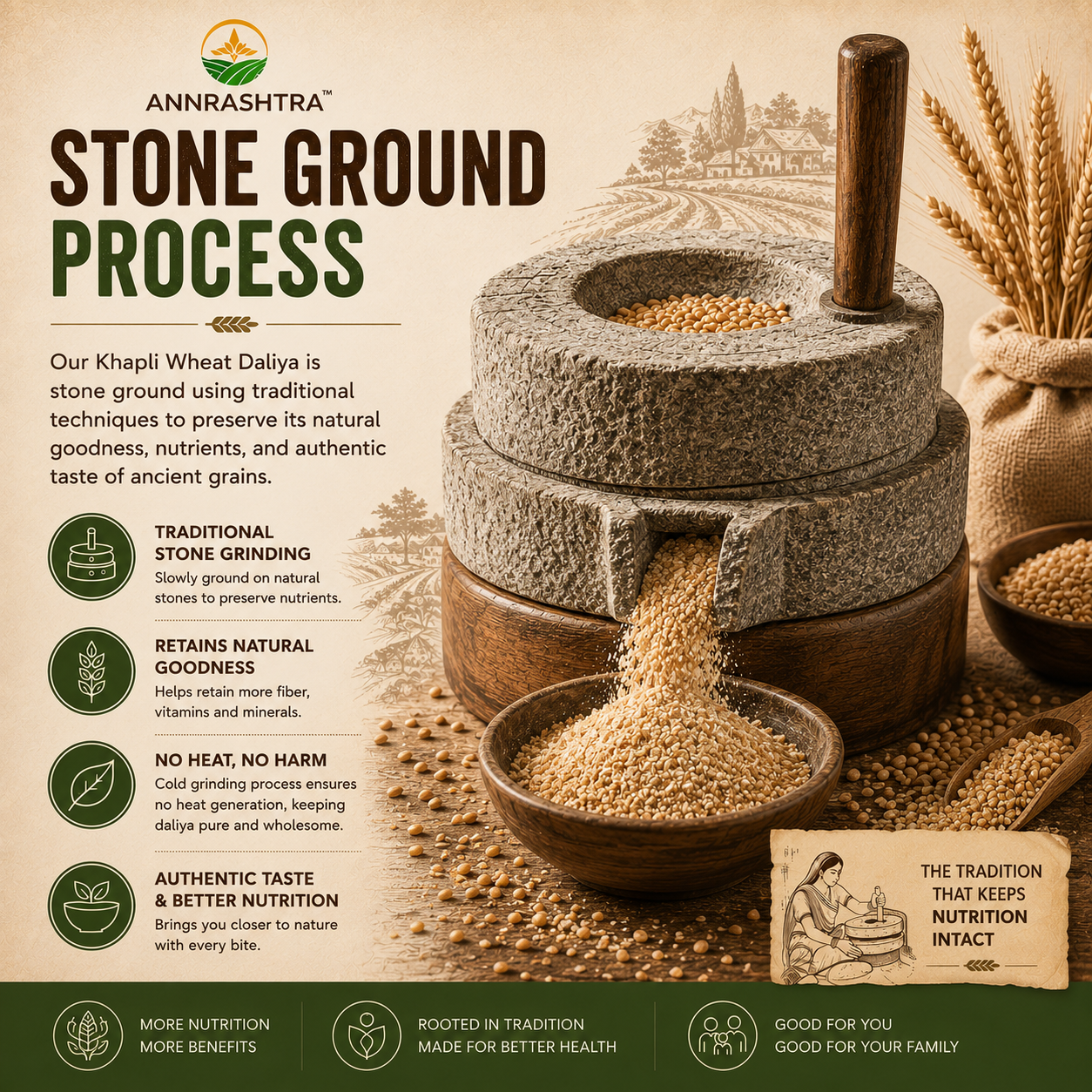
Annrashtra's Khapli Daliya is made from coarsely cracked, pure Khapli (Emmer) wheat with nothing added, nothing removed. The whole grain, the way it's meant to be.