Cart
0
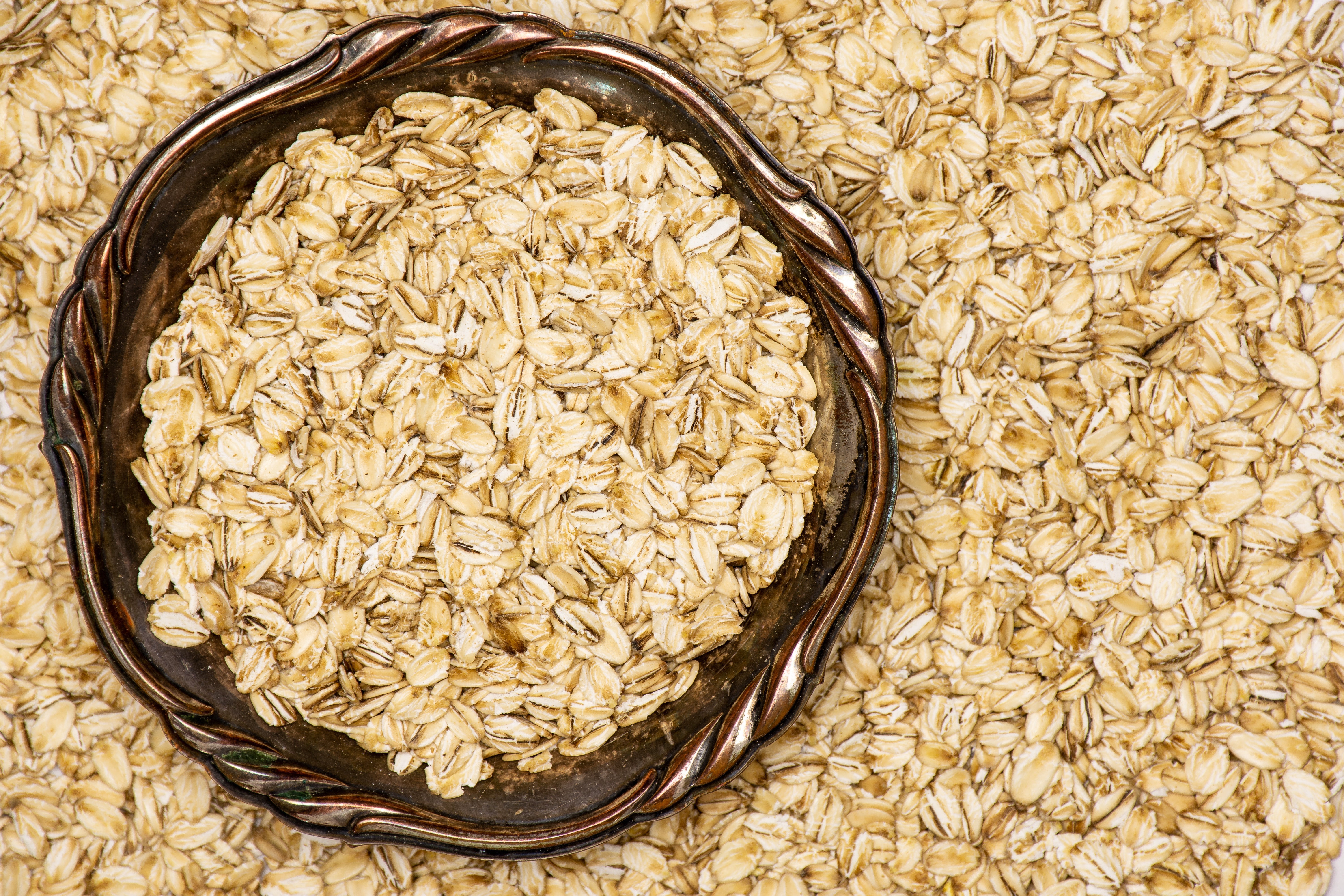
Walk into any Indian gym, scroll through any fitness Instagram page, open any "clean eating" guide written for Indians and you'll find oats sitting at the top of the breakfast recommendations. Overnight oats. Oat smoothies. Masala oats. Oat pancakes.
Meanwhile, Daliya, the broken wheat porridge that fed this country for centuries sits quietly in the background, branded as "old-fashioned" or "something sick people eat."
Here's the truth: that perception has been shaped far more by marketing than by nutrition science. When you actually put the two side by side using the complete picture, not a cherry-picked comparison Daliya doesn't just compete with oats.
It wins. And it isn't particularly close.
First, Let's Be Honest About Which Oats We're Comparing
This matters more than most people realise.
When nutritionists say "oats are healthy," they mean steel-cut oats or rolled oats, the least processed forms, which retain most of the grain's nutrients. These take 20–30 minutes to cook, have a coarser texture, and a lower glycemic index.
But what does the average Indian household actually buy and eat? Instant oats the kind that comes in flavoured sachets or cooks in two minutes. These are heavily processed, partially pre-cooked, sometimes mixed with added sugar, salt, and artificial flavours. Their glycemic index is significantly higher than steel-cut oats, and their nutritional profile is a pale version of what gets cited in health articles.
So when people say "I eat oats every morning," they usually mean they're eating a highly processed product that's riding on the health reputation of a different, minimally processed grain.
Daliya doesn't have this problem. Coarse broken wheat is broken wheat, one ingredient, minimal processing, nothing added. What you buy is what you eat.
The Glycemic Index: Where Daliya's Real Advantage Lives
The glycemic index (GI) tells you how quickly a food raises your blood sugar after eating. Lower is better; it means slower digestion, stable energy, no mid-morning crash, and better appetite control throughout the day.
-
Daliya (coarse broken wheat): GI of approximately 41–55
-
Oats (rolled/steel-cut): GI of approximately 55
-
Instant oats: GI significantly higher than steel-cut
Good-quality coarse Daliya sits at the lower end of the range, often below 50. This means Daliya can cause a slower, more controlled rise in blood sugar than even the better forms of oats.
For blood sugar management, for avoiding the 11 AM energy crash, for keeping hunger controlled all morning Daliya has a meaningful advantage.
The Processing Reality: What's Actually in Your Bowl
Here's a comparison that rarely gets made honestly:
|
Factor |
Coarse Daliya |
Steel-Cut Oats |
Instant Oats (most popular in India) |
|
Processing level |
Minimal |
Minimal |
Heavy |
|
Added ingredients |
None |
None |
Often sugar, flavouring, salt |
|
Glycemic Index |
41–55 |
~55 |
Higher than steel-cut |
|
Fibre retained |
Full (bran intact) |
Full |
Reduced |
|
Cost per serving |
Very low |
Moderate |
Moderate to high |
|
Availability in India |
Everywhere |
Increasingly available |
Everywhere |
When you compare Daliya to what people are actually eating, not what they think they're eating, Daliya is the clear winner on processing, glycemic impact, and ingredient purity.
Nutrition Per 100g: The Full Picture
|
Nutrient |
Daliya (Broken Wheat) |
Rolled Oats |
|
Calories |
~340–360 kcal |
~389 kcal |
|
Protein |
~9–12g |
~13g |
|
Dietary Fibre |
~8–10g |
~10g |
|
Carbohydrates |
~72g |
~67g |
|
Fat |
~1.5g |
~6–7g |
|
Glycemic Index |
~41–55 |
~55 |
Yes oats have slightly more protein and fibre per 100g on paper. But notice: Daliya is lower in calories and significantly lower in fat. For someone managing weight, these numbers matter.
More importantly, the fibre and protein gap between the two is small. The GI gap in Daliya's favour is what matters most for daily energy, hunger control, and blood sugar. And that's before accounting for the fact that most people aren't eating steel-cut oats; they're eating instant.
The Indian Kitchen Test: Where Daliya Wins by a Mile
Nutrition doesn't exist in a lab. It exists in your kitchen, at 7:30 in the morning, when you have 15 minutes before work and kids to feed.
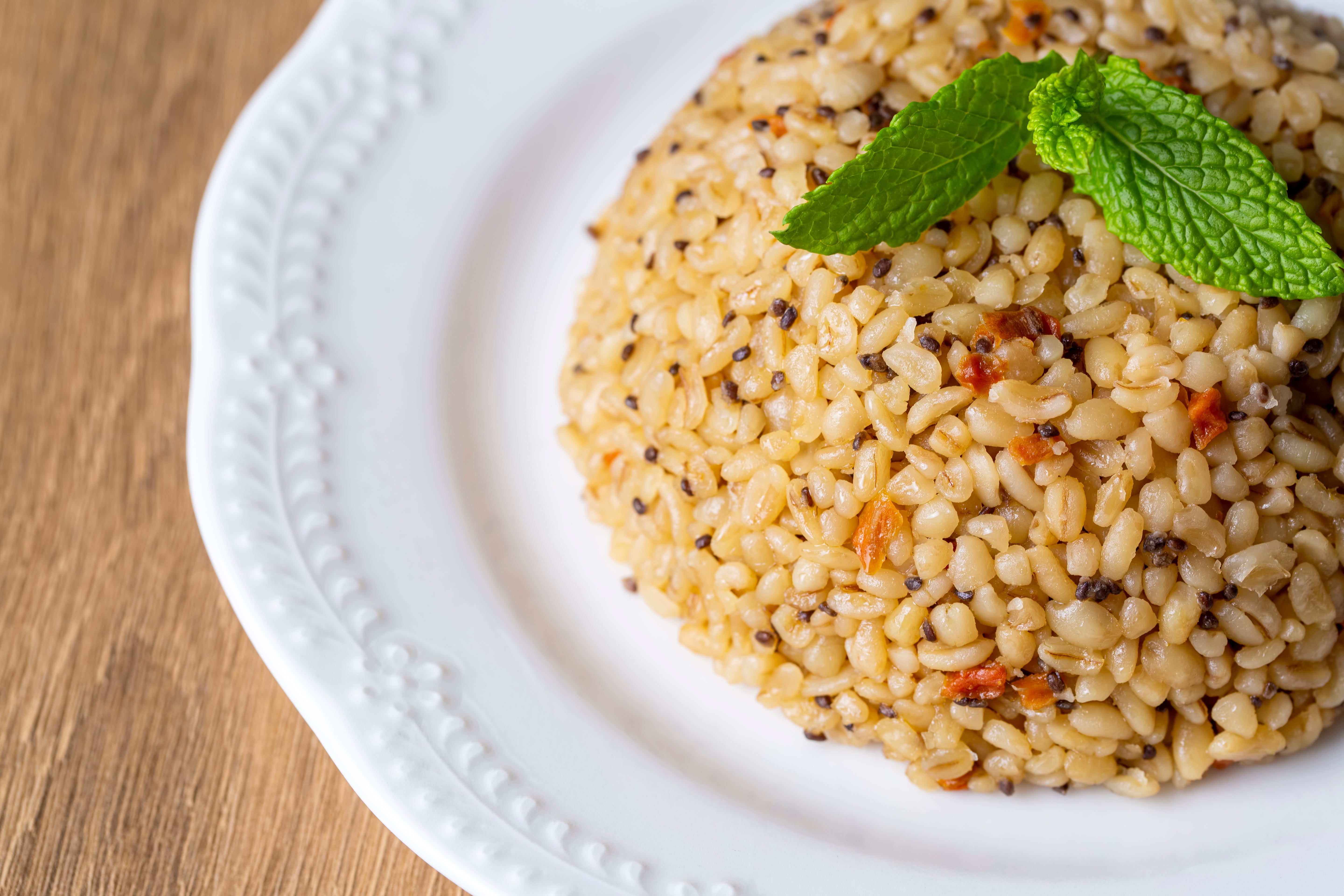
Daliya has been cooked in Indian kitchens for centuries. It works naturally with the spices, cooking methods, and meal structures Indians already use. One grain, endless versatility:
-
Sweet daliya with milk and jaggery — warm, nourishing breakfast
-
Vegetable daliya upma — savoury, filling, easy to make
-
Daliya khichdi with moong dal — high-protein, complete meal
-
Daliya pulao — like a rice pulao but lighter and more nutritious
-
Daliya dosa — ferment it with urad dal for a crispy, nutty twist
Oats, on the other hand, are not native to Indian cooking. Plain oat porridge gets monotonous quickly. The "healthy" instant oat alternatives are loaded with additives. Masala oats can taste good, but they require flavour tricks to become palatable because oats don't naturally fit the Indian spice profile the way wheat does.
The healthiest breakfast is the one you'll actually make and eat every single morning. Daliya wins that test, consistently, for Indian households.
For Blood Sugar, Digestion, and Weight — Daliya Has the Edge
-
Blood sugar: Daliya's lower GI means more stable glucose levels throughout the morning. Fewer spikes, fewer crashes, fewer cravings.
-
Digestion: Daliya's insoluble fibre adds bulk, supports bowel regularity, and feeds gut bacteria effectively. It's gentle, filling, and easy on the stomach.
-
Weight management: Lower calories, lower fat, high fibre, low GI Daliya is built for this. One bowl keeps you genuinely full for 3–4 hours.
-
Affordability: Daliya costs a fraction of premium oats and far less than the imported superfood alternatives being marketed to health-conscious Indians. Eating well shouldn't require a premium budget.
When Does Oats Have a Genuine Advantage?
Being honest matters. There are contexts where oats have a real edge:
Oats contain a specific type of soluble fibre called beta-glucan, which has strong research behind it for reducing LDL ("bad") cholesterol. For someone with high cholesterol as a primary concern, steel-cut oats are particularly well-suited.
Oats are also naturally gluten-free (though cross-contamination is common in Indian processing), making them suitable for people with gluten sensitivity or celiac disease. Daliya, being made from wheat, contains gluten.
Outside of these specific cases, Daliya holds its own on every front that matters for everyday health.
The Verdict
Oats are a good food. That's true and worth saying clearly.
But for Indian households in terms of glycemic impact, processing purity, versatility in Indian cooking, cost, and how sustainable it is as a daily habit Daliya is the better everyday breakfast grain.
It was never the problem. It was never inferior. It was just drowned out by decades of better marketing from a foreign grain that arrived with a fitness brand attached to it.
Daliya was here long before oats became fashionable. And the science, when read fully and honestly, puts it right back at the top.
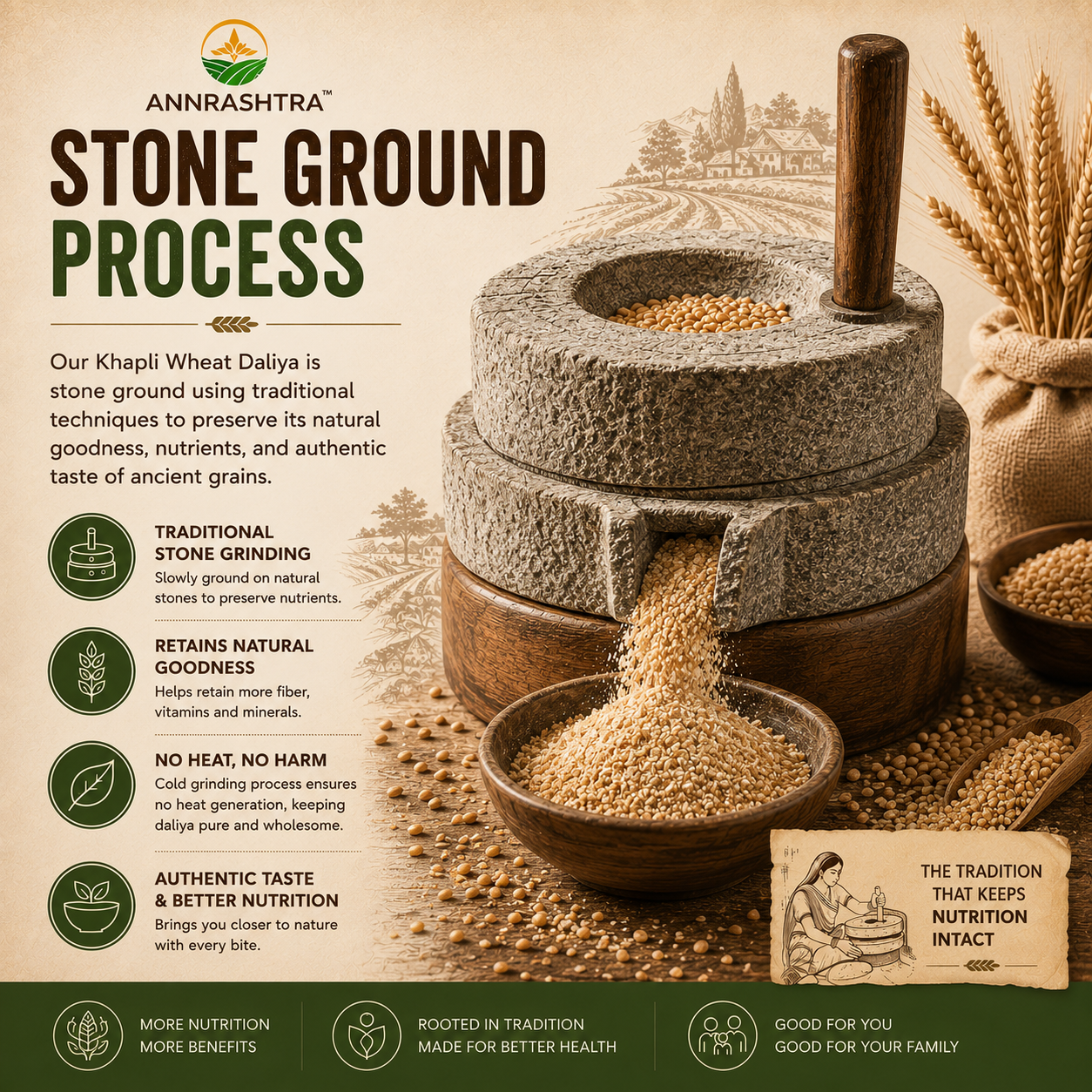
Annrashtra's Khapli Daliya is made from pure, coarsely broken Khapli (Emmer) wheat, one ingredient, no blending, no additives. Just the ancient grain as it was always meant to be eaten.