Cart
0
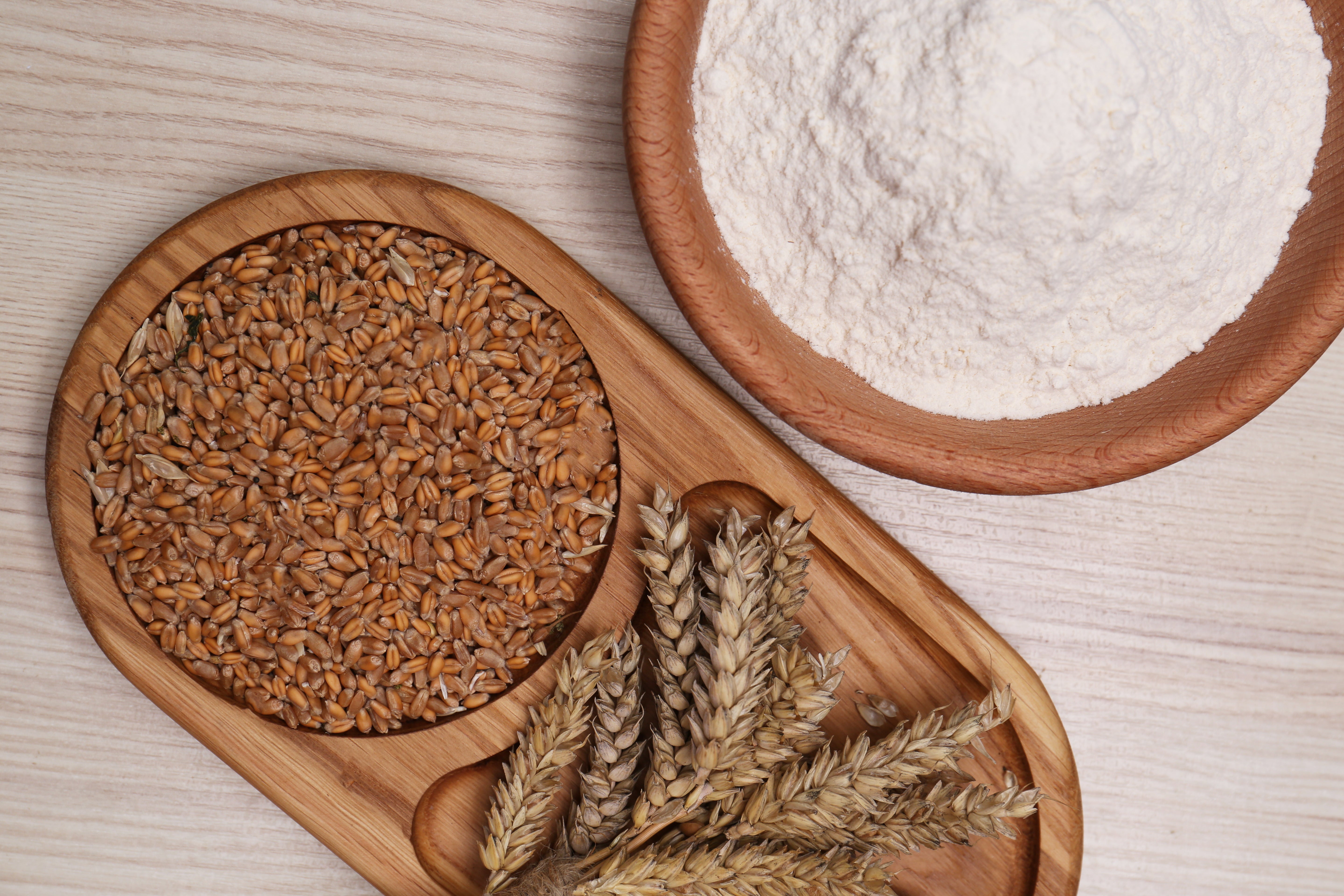
If you or someone in your family has been diagnosed with diabetes or prediabetes, chances are someone has already told you to "watch your wheat intake." And that advice is not entirely wrong but it's also not entirely right.
The problem isn't wheat. The problem is which wheat.
There is a profound difference between the atta in your kitchen right now and the ancient grain called Khapli wheat that sustained generations of Indians long before modern hybrid farming arrived. Understanding that difference could genuinely change how you manage blood sugar meal by meal, day by day.
Why Wheat and Blood Sugar Are in Conflict (For Most People)
Modern wheat flour, the kind milled from high-yield hybrid wheat and sold across most of India, has a glycemic index (GI) of 70 or higher. That puts it firmly in the high-GI category.
The glycemic index is a scale that measures how quickly a food raises blood glucose after you eat it. High-GI foods cause a rapid spike in blood sugar. Your body releases a large burst of insulin to manage it. Then blood sugar drops sometimes sharply. You feel hungry again. You eat again. Over years of this cycle, the body's insulin response can become blunted, a key driver of type 2 diabetes progression.
For someone managing diabetes, eating two or three rotis made from high-GI atta, multiple times a day, is not a neutral choice. Every meal either helps regulate blood sugar or adds stress to an already strained system.
What Makes Khapli Wheat Different?
Khapli wheat (botanically known as Emmer wheat) is an ancient, unmodified variety that was traditionally grown in Maharashtra and Karnataka. It has never been hybridised for yield. It grows slowly, matures naturally, and retains its full nutritional structure bran, germ, and all.
The glycemic index of Khapli wheat sits between 40 and 55, depending on how coarsely it's ground and how it's cooked. Stone-ground flour tends to be on the lower end of that range because the coarser texture slows digestion further.
This places Khapli wheat squarely in the low-GI category, a significant step down from regular wheat.
Why the Lower GI Matters for Diabetics
When blood sugar rises slowly as it does with low-GI foods the body has time to respond with a measured, proportionate insulin release. There is no spike. There is no crash. Blood glucose stays within a more controlled range after the meal.
For a person with type 2 diabetes or prediabetes, this difference is not minor. It means:
-
Less post-meal blood sugar spikes — the sharp rise that often follows eating regular wheat rotis is significantly reduced
-
Better long-term glycemic control — more stable blood sugar across the day supports better HbA1c outcomes over time
-
Reduced insulin demand — the pancreas is under less pressure to produce large, rapid bursts of insulin
-
Greater satiety — you feel full for longer, which naturally reduces the urge to snack between meals
The Role of Fibre
One of the primary reasons Khapli wheat has a lower glycemic impact is its higher dietary fibre content. The bran layer which is largely intact in Khapli flour because of minimal processing acts as a physical barrier that slows down the digestion of carbohydrates.
Think of it this way: when fibre is present, glucose doesn't rush into the bloodstream it's released gradually, like water through a filter rather than through an open pipe.
This fibre also feeds beneficial gut bacteria, supports regular bowel movements, and improves insulin sensitivity over time all of which contribute to better blood sugar management.
Important: What Khapli Wheat Is and What It Isn't
It's important to be honest here, because health content around diabetes often oversimplifies things.
Khapli wheat is not a cure for diabetes. No single food is.
Even a low-GI grain can raise blood sugar if eaten in large quantities. Portion control remains essential. A complete meal of Khapli roti paired with dal, sabzi, and a source of protein will have a very different impact on blood sugar than the same roti eaten alone with pickle.
What Khapli wheat offers is a significantly better-quality carbohydrate compared to regular atta. For people who have been advised to reduce their wheat intake, switching to Khapli is often a more sustainable and nutritionally sound approach than eliminating wheat entirely.
If you have diabetes, please continue to monitor your blood sugar and work with your doctor or dietitian. No dietary change however beneficial in general replaces personalised medical guidance.
Khapli Wheat vs Regular Wheat: The Diabetes Summary
|
Factor |
Regular Wheat Atta |
Khapli Wheat Atta |
|
Glycemic Index |
70+ (High) |
40–55 (Low) |
|
Fibre Content |
Lower |
Higher |
|
Digestion Speed |
Fast |
Slow |
|
Blood Sugar Impact |
Rapid spike |
Gradual, controlled rise |
|
Processing |
Heavy |
Minimal |
|
Gluten |
High |
Naturally lower |
How to Get the Most Out of Khapli Atta for Blood Sugar Control
A few practical tips that make a real difference:
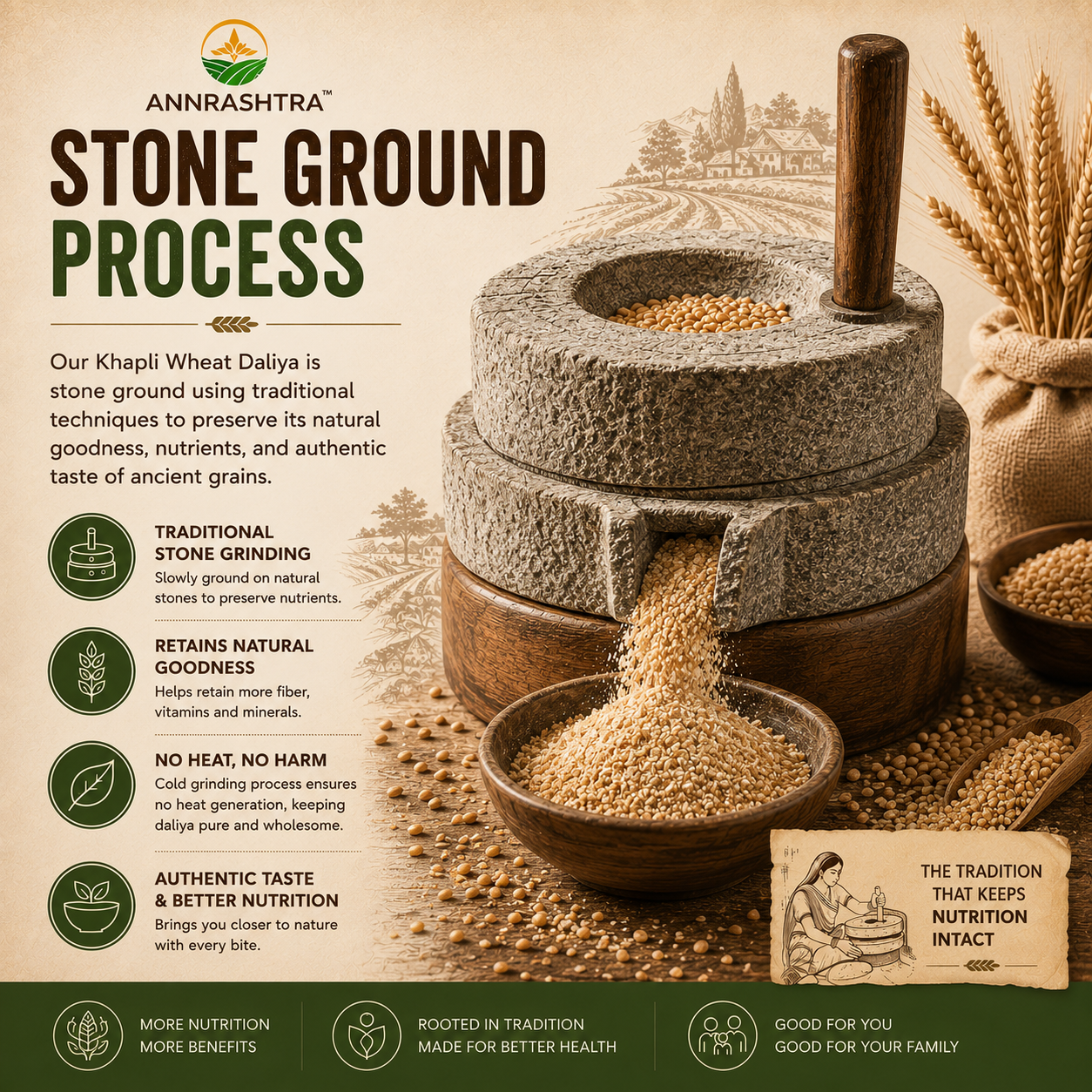
Choose stone-ground (chakki-ground) flour. The coarser the grind, the lower the glycemic impact. Fine milling speeds up digestion even with good-quality wheat.
Pair your roti wisely. Eating Khapli rotis with fibre-rich vegetables and a protein source (dal, paneer, eggs, pulses) slows digestion further and blunts the overall glycemic response of the meal.
Avoid eating rotis alone. The glycemic impact of any grain is significantly affected by what you eat it with. A balanced meal always performs better than any single ingredient in isolation.
Watch portion size. Two medium Khapli rotis as part of a balanced meal is very different from five rotis with nothing else.
The Bigger Picture
For decades, people with diabetes were told to simply "avoid wheat" or "reduce carbs." Many switched to packaged multigrain atta or expensive imported grain mixes without fully understanding whether those choices were actually better.
The answer was already in Indian tradition. Khapli wheat coarsely ground, minimally processed, eaten as it always was offers a genuinely lower glycemic alternative that doesn't require eliminating a staple from your diet.
Your grandmother's kitchen probably had an answer to your nutritionist's problem. It just needed someone to look back and pay attention.
Annrashtra's Khapli wheat atta is stone-ground from pure, unblended Emmer wheat, the same ancient grain, with nothing added and nothing taken away.