Cart
0
You've been eating wheat your whole life. Rotis, parathas, chapatis. Wheat has been the backbone of Indian kitchens for thousands of years. But here's a question most people have never stopped to ask: Is the wheat you're eating actually good for you?
Not all wheat is the same. And once you understand the difference between the wheat sitting in most Indian kitchens today and the ancient grain that fed our ancestors for millennia you'll never look at your atta the same way again.
The Wheat Most of Us Are Eating Today
The wheat that dominates grocery shelves and flour mills across India today is modern hybrid wheat bred over decades specifically to maximise yield, produce a consistent texture, and survive large-scale farming. It grows fast, it's cheap, and it's everywhere.
But in that race for productivity, something was quietly lost. Modern wheat is heavily processed, high on the glycemic index, and significantly lower in nutrients compared to the varieties humans were eating for thousands of years before hybrid farming took over.
That's where Khapli wheat enters the picture.
What is Khapli Wheat?
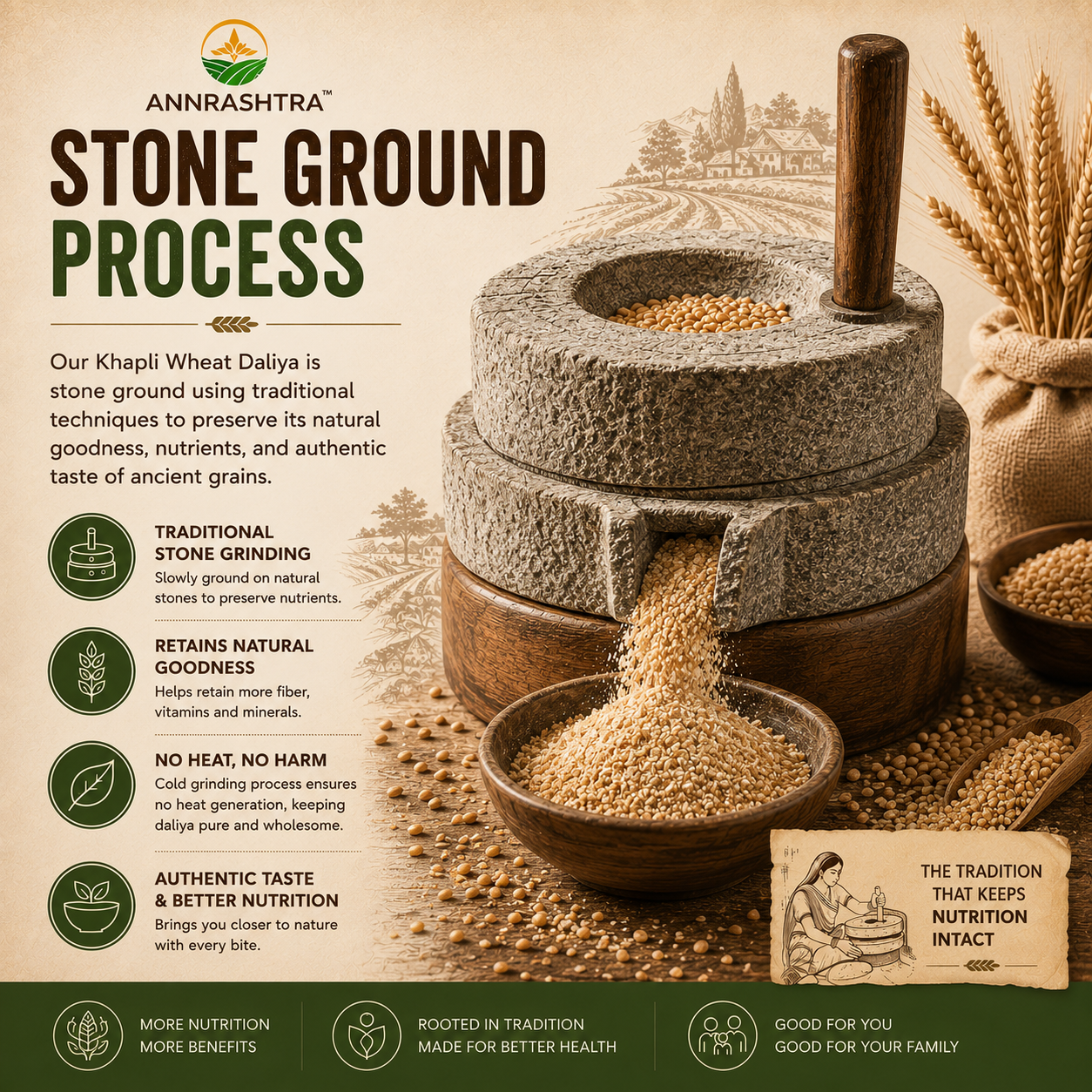
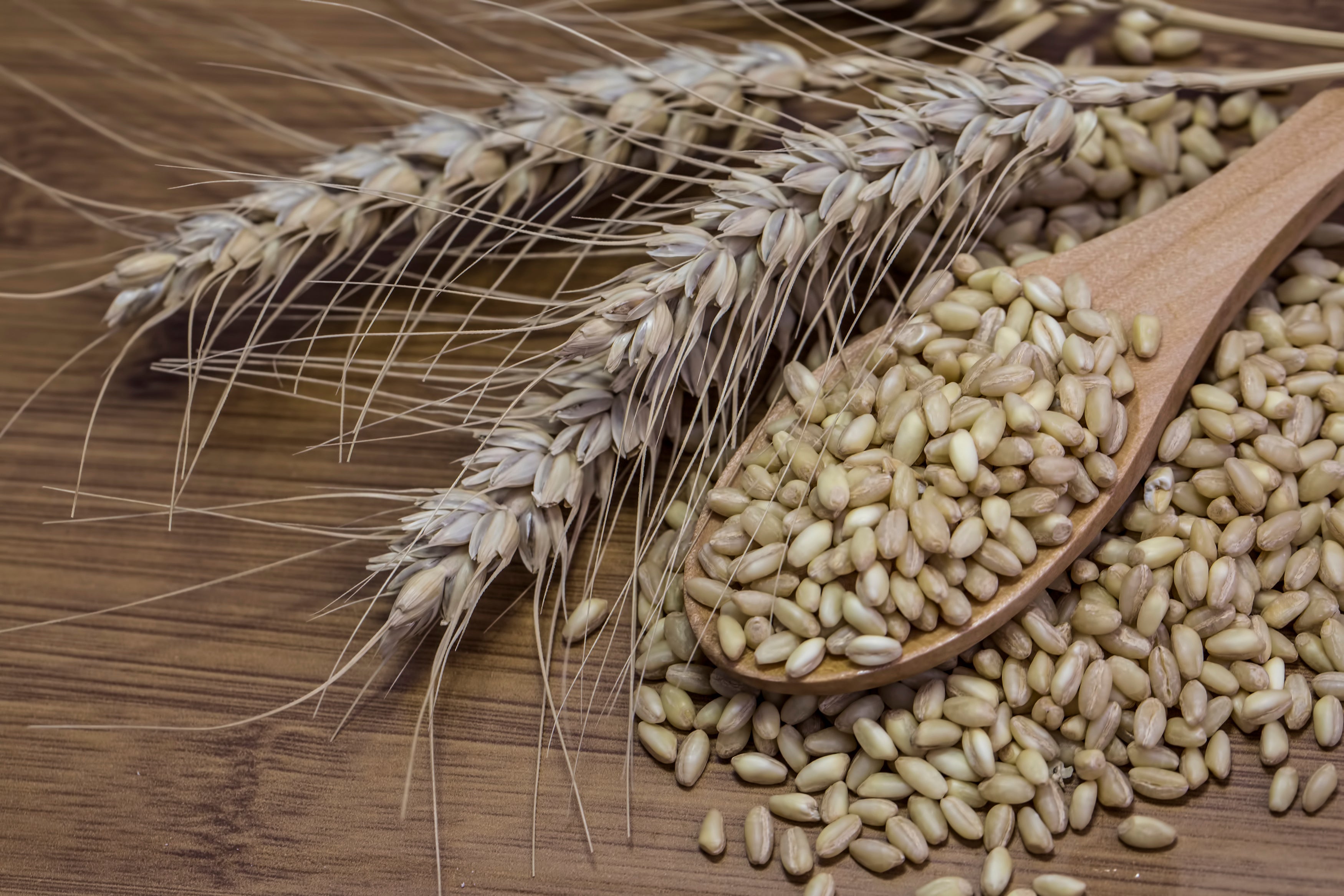
Khapli wheat also known as Emmer wheat is one of the oldest cultivated grains on earth. It was a staple crop in the Indian subcontinent long before modern agricultural practices arrived. Traditionally grown across Maharashtra and Karnataka, Khapli is what's called an ancient grain: it has never been hybridised or genetically modified to boost yield. It grows the same way it always has slowly, naturally, retaining every nutrient nature packed into it.
The word "Khapli" itself refers to this grain's distinctive hull. Unlike modern wheat, Khapli is minimally processed and retains its bran, germ, and all the nutritional content that comes with them.
Nutritional Comparison: Khapli vs Regular Wheat
Let's put the two side by side.
Glycemic Index (GI): This is the number that tells you how quickly a food raises your blood sugar after you eat it. Lower is better; it means slower digestion, more stable energy, and no sudden spike-and-crash cycle.
-
Regular wheat (whole wheat flour): GI of 70 or higher
-
Khapli wheat: GI of 40–55 (depending on grinding method and cooking)
That is a significant difference. It places Khapli comfortably in the low-GI category, while regular wheat sits in the high-GI zone.
Fibre: Khapli wheat is notably richer in dietary fibre than modern wheat. The bran layer which gets partially lost or degraded in the processing of regular atta is fully intact in Khapli flour. More fibre means slower digestion, better gut health, and a longer feeling of fullness after meals.
Protein: Khapli wheat contains a good amount of protein roughly 14–15g per 100g of flour which supports muscle repair, immunity, and overall cellular function.
Gluten: This is important. Khapli wheat does contain gluten and is not suitable for people with celiac disease. However, it naturally contains less gluten than modern wheat, which makes it easier to digest for people who experience bloating or discomfort after eating regular atta not because of celiac disease, but because of general gluten sensitivity.
Minerals: Khapli wheat is a natural source of magnesium, iron, phosphorus, and B vitamins all of which support energy metabolism, bone health, and cardiovascular function.
Why Does the Glycemic Index Matter So Much?
Here's the thing about high-GI foods: they give you a quick burst of energy followed by a crash. When blood sugar spikes rapidly, your body releases a large amount of insulin to bring it back down. This repeated pattern, meal after meal, year after year, is strongly linked to insulin resistance, type 2 diabetes, and weight gain.
Regular wheat atta especially the finely milled variety digests quickly and causes this kind of rapid blood sugar response. Khapli wheat, because of its higher fibre and complex carbohydrate structure, digests more slowly. The glucose enters the bloodstream gradually. Energy stays stable. Hunger stays controlled.
For someone eating two to three rotis a day, every single day, this difference in glycemic response is not small. It adds up.
The Digestion Difference
Many people notice they feel heavy or bloated after eating regular wheat rotis. Part of this is modern wheat's higher gluten content the protein structure is tighter and harder for the gut to break down efficiently.
Khapli wheat, with its naturally lower gluten levels and higher fibre content, is easier on the digestive system for most people. The fibre feeds beneficial gut bacteria, supports regular bowel movements, and reduces the kind of sluggish, uncomfortable feeling that often comes with eating heavy, processed flour.
Taste and Texture
Khapli wheat has a natural, earthy, slightly nutty flavour. Rotis made from Khapli atta are softer, slightly denser, and have a warmth to them that refined flour simply can't replicate.
Once you cook with it a few times, the difference is unmistakable not just in how it tastes, but in how you feel an hour after eating.
Who Should Make the Switch?
There is genuinely very little reason not to switch but Khapli wheat is especially valuable for:
-
People managing blood sugar levels or diagnosed with diabetes
-
Those with mild gluten sensitivity (not celiac disease)
-
Anyone who wants to feel lighter and less bloated after meals
-
People focused on long-term weight management
-
Families who simply want to eat something that is as close to its natural form as possible
The Bottom Line
Regular wheat gave the modern food industry what it needed: high yield, low cost, easy milling. But it quietly traded away what your body actually needs: lower glycemic impact, more fibre, better digestibility, and a richer nutrient profile.
Khapli wheat hasn't changed. It's the same grain that sustained Indian farmers and families for thousands of years. It was never broken. And it doesn't need to be fixed.
The question isn't really Khapli vs regular wheat. The question is: why did we ever move away from it?
Annrashtra sources pure, unblended Khapli wheat — the same ancient grain, as nature intended.